:strip_exif()/reboot/media/4a8df14a-8cc2-11f0-9adc-1a3d8e5696a4/0f7612d6-5974-11ea-a4ee-0242ac130005/1-1-logo.png "Ensuring drug stability in heat: tips for the healthcare sector")
:strip_exif()/reboot/media/4a8df14a-8cc2-11f0-9adc-1a3d8e5696a4/0f7612d6-5974-11ea-a4ee-0242ac130005/1-1-logo.png "Ensuring drug stability in heat: tips for the healthcare sector")
:strip_exif()/reboot/media/4a8df14a-8cc2-11f0-9adc-1a3d8e5696a4/2b4b5876-48c8-11ee-a87c-0242ac14000c/1-1-capture-d-ecran-2023-08-30-a-16-41-04.png)
Ensuring drug stability in heat: tips for the healthcare sector
Drugs undergo rigorous stability testing before being released to the market, so following recommendations is crucial to ensuring their effectiveness and safety, especially during heatwaves. Here's a summary of key steps to take to ensure drug stability during periods of intense heat.
1. Respect the storage conditions indicated
Medicines carry specific storage instructions. Be sure to store products between the recommended temperatures, whether +2 to +8°C, below 25°C or 30°C, or simply at room temperature. These ranges were established following extensive stability testing and are crucial to maintaining the effectiveness of medicines.

2. Precautions in case of extreme heat
During periods of heatwave or transport where the temperature is not controlled, follow these recommendations:
- Medicines to be stored between +2 and +8°C: These products can be kept at room temperature for a short time, but it is essential to use them quickly after removing them from the refrigerator. Be sure to regularly check the temperature of your refrigerators to ensure their stability.
- Medicines to be stored at a temperature below 25 or 30°C: occasionally exceeding these temperatures will not affect the stability or quality of the medicines, as long as it remains limited in time.
- Medicines without special mention: Medicines to be stored at room temperature are generally resistant to high temperatures. They can be stored in medicine cabinets or normally ventilated warehouses without fear of deterioration.
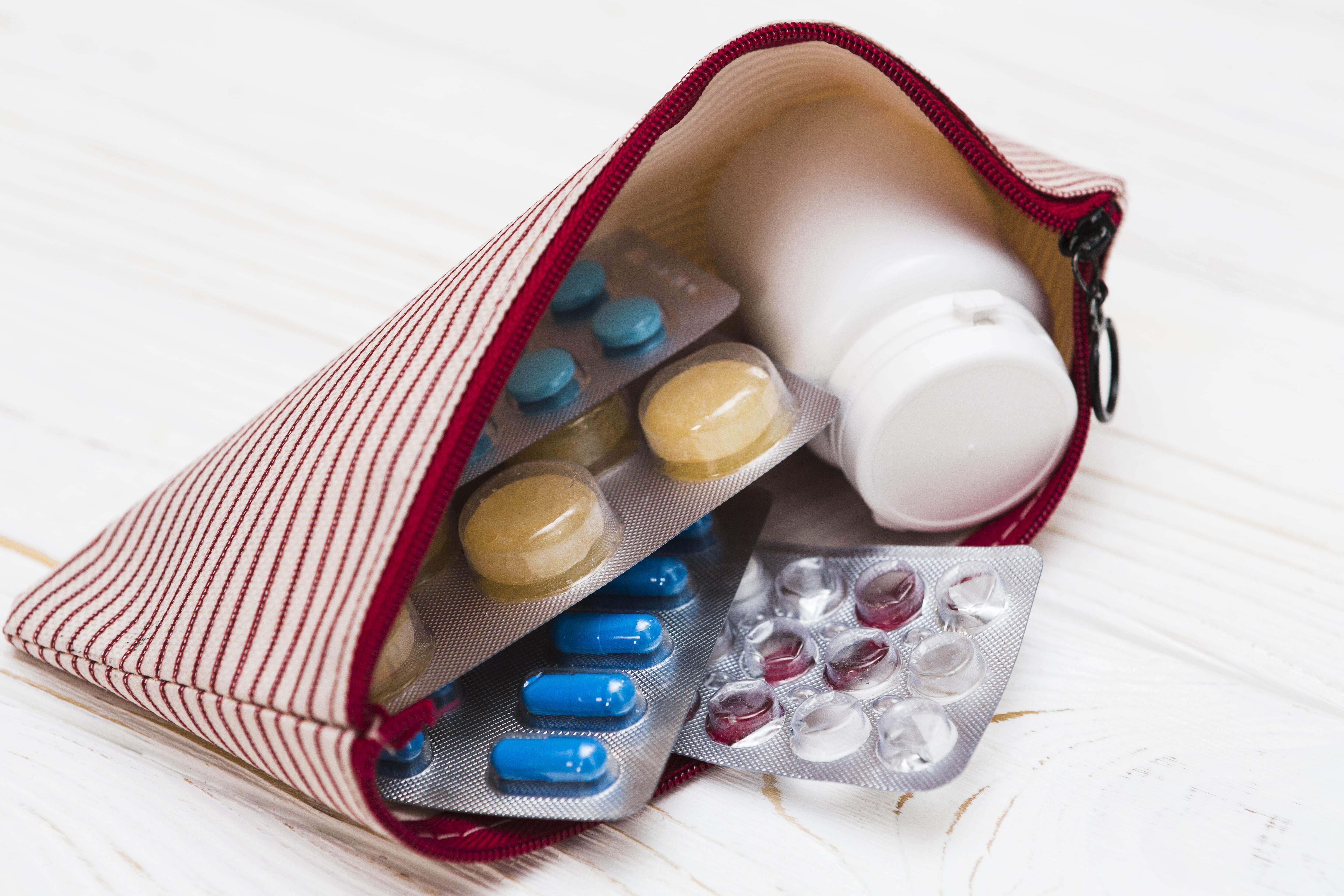
3. Specific cases and transport
For biological drugs and heat-sensitive products, such as insulins and solutions, increased vigilance is required. In case of exposure to temperatures exceeding the recommendations, it is recommended to contact the pharmaceutical company for specific advice.
Transport by individuals: during transport, follow storage precautions, particularly for medicines requiring a cold chain.
Use in emergency medical vehicles: Medications stored and used in emergency vehicles may be exposed to high temperatures. Solutions are more sensitive than solid forms, so be sure to use insulated packaging to minimize risks.
For more information on this subject, access the official recommendations of the ANSM (National Agency for the Safety of Medicines and Health Products)
/reboot/media/4a8df14a-8cc2-11f0-9adc-1a3d8e5696a4/acc78658-58d9-11ec-b6b2-0242ac130008/1-1-shutterstock-1019015005.jpg)
:strip_exif()/reboot/media/4a8df14a-8cc2-11f0-9adc-1a3d8e5696a4/b2360efc-e43d-11ed-a055-0242ac140005/1-1-1-image-video-11-04-23.png)
/reboot/media/4a8df14a-8cc2-11f0-9adc-1a3d8e5696a4/c4ce2946-d414-11ef-ae53-0242ac120011/1-1-photo-haut.png)
:strip_exif()/reboot/media/4a8df14a-8cc2-11f0-9adc-1a3d8e5696a4/4d3fc3e8-67db-11f0-8984-365b7e6e4d74/1-1-picture-petit-of-attractive-saleswoman-on-meeting-in-off-2023-11-27-05-36-18-utc-copie.jpg)